In Madeira, I took part in the international NoBurnOut LAB training course, which focused on preventing emotional burnout, restoring inner resources, and using creative and body-oriented methods in work with people.
The training was organised within the Erasmus+ project
No. 2025-1-PT02-KA151-YOU-000296954.
The host organisation in Madeira was ARTE.M Cultural and Artistic Association.
More information about the project:
NoBurnOut LAB
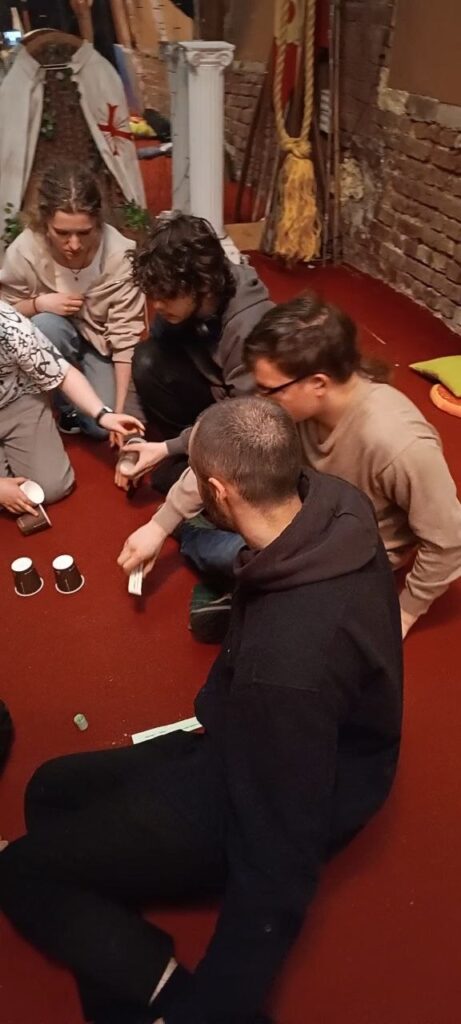
It was especially valuable for me that the training was not limited to theory. We first experienced many of the methods ourselves and were then able to adapt them for our work with different groups of participants.
Mindful walks became a valuable activity in projects related to mental and physical health. They were especially helpful for participants experiencing burnout, tiredness, and mental exhaustion. Slowing down and paying attention to the surrounding environment, breathing, and bodily sensations helped participants gradually return to the present moment.
The “inner clock” practice and the exploration of personal time perception became useful tools for self-reflection. Participants learned to notice signals from their bodies, listen to themselves more carefully, and understand when they needed movement, rest, or a change of activity.
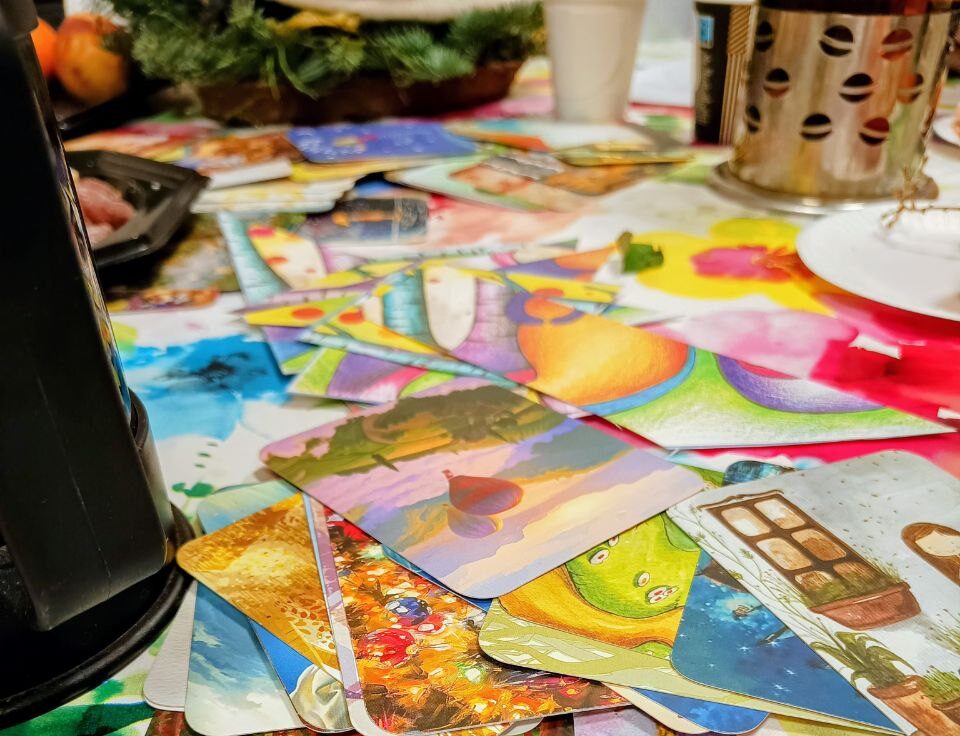
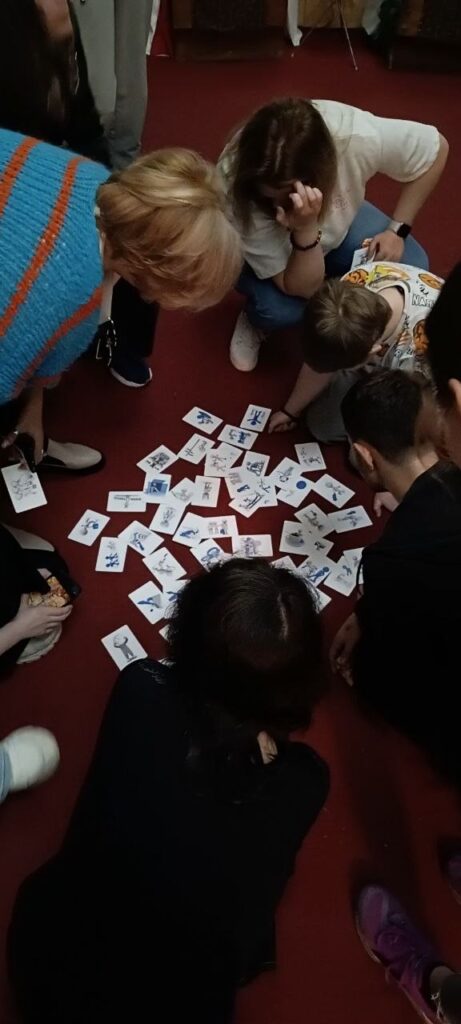
Metaphorical cards and movement-based activities were especially popular with teenagers. We used them for self-reflection, generating new ideas, understanding one’s role within a team, reducing tension, and building confidence. This format made it easier for young people to express themselves, share their opinions, and present their own ideas.
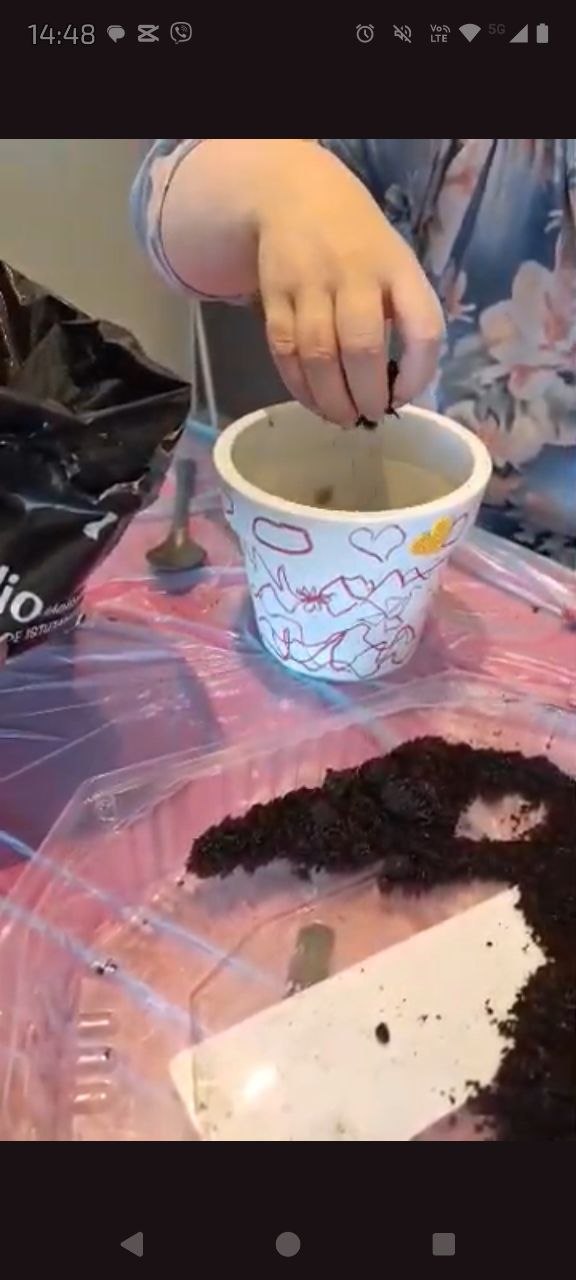
Working with soil and planting plants proved to be a very supportive and therapeutic activity for people with mental health difficulties. A simple and understandable task, direct contact with the soil, and the opportunity to see the results of their work created a sense of calm, involvement, and personal value.
In this way, the international training continued at the local level. The methods we gained became part of our practical work with teenagers and adults and helped us make our activities more engaging, supportive, and responsive to the real needs of participants.
Svetlana Smirnova
